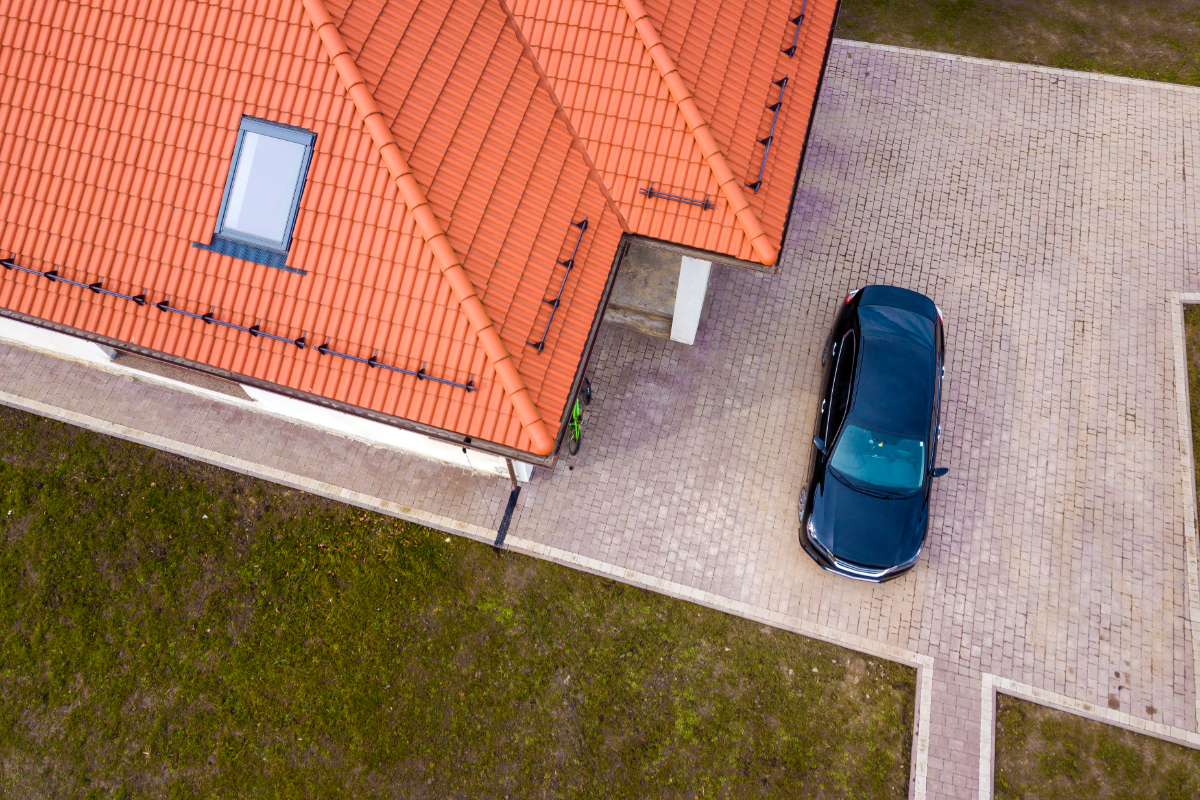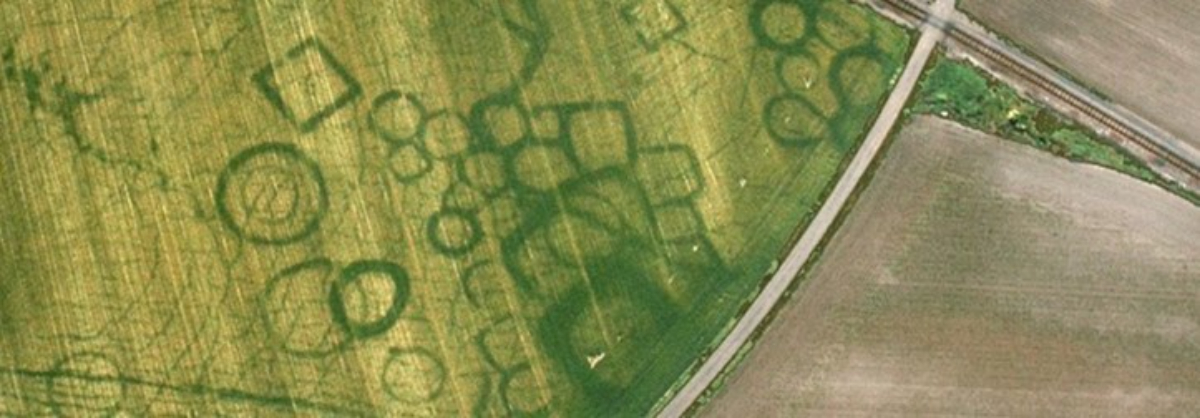
Drone roof inspections can give property owners, insurers and claims adjusters a safer visual record after roof damage. They can capture high resolution images, video and measurable data without setting foot on the roof, supporting a clearer roof assessment after a storm or other loss event.
What Are Drone Roof Inspections?
Drone roof inspections use aircraft, cameras and software to inspect a roof from multiple angles. Certified drone pilots can capture high resolution imagery of roof covering details, flashing, gutters, skylights and other critical areas that may be difficult to see from the ground. For a residential property or commercial property, a drone roof inspection can provide a full view of visible roof damage without the access risk and time that manual inspections may require.
Advanced drone technology can create high resolution images, video, annotated images and, where appropriate, an orthomosaic map or 3D models. This information supports a roof assessment by showing the roof condition at a specific date. Drone roof surveys are particularly useful after wind damage, hail damage or storm damage, when safety equipment, ladders or scaffolding would otherwise be needed before anyone can inspect the roof.

How Drone Evidence Can Support Insurance Claims
For insurance claims, the value of drone inspections is the quality and consistency of the evidence. A drone inspection report can document the location, flight, weather, visible defects and images from a planned survey. Drone reports can be added to a claim file alongside contractor quotations, photographs, maintenance records and any report from a roof professional.
This documentation can help claims adjusters and insurance adjusters assess damage, compare the roof before and after an event, and decide whether further investigation is needed. It may support claims by reducing waiting, improving accuracy and giving desk adjusters reliable information before a field visit. It does not guarantee compensation: policy terms, the cause of loss, pre existing defects and the policy period still affect the claims process.
Most major insurers, many providers and insurance carriers have their own criteria for accepting evidence. Property owners should ask their insurance providers what documentation they require for insurance purposes rather than assume that any drone report will be accepted. A clear report can make it easier to explain the evidence, but insurance companies and insurers retain responsibility for their own decisions.
Improving Accuracy in Roof Assessments
Drone roof inspections improve a roof assessment by capturing high resolution images from multiple angles and keeping the data collected consistent. The pilot can plan the flight to cover the complete roof, including areas around chimneys, valleys, parapets and roof edges. This creates a useful comparison point for later roof inspections and helps identify defects that may be missed by a quick ground-level view.
Thermal imaging can add context when conditions are suitable. It may help indicate hidden moisture, water ingress or insulation issues, but it is not proof of the cause of a leak. A qualified professional should interpret thermal imagery with the building details, weather, roof construction and a visual inspection. Manual methods, core testing or targeted inspections may still be needed to confirm structural weaknesses, structural damage or other structural issues.
AI analysis and survey software can help organise imagery, measurements and reports, but automated outputs require professional review. The strongest drone inspection reports distinguish between visible evidence, likely findings and issues that require a closer inspection. This gives insurers, adjusters and property owners a more defensible basis for decisions.

Speeding Up the Claims Process
After a widespread storm, claims can surge and field adjusters may need to assess hundreds of sites. Drone inspections can capture images and footage in hours rather than waiting days or weeks for safe access equipment. They can reduce the need for scaffolding, allow a roof to be inspected sooner and help adjusters triage which claims need an urgent visit.
A faster process can reduce delays to repairs and help policyholders understand the next step. The benefit is not simply speed: consistent drone reports can give claims teams a clear view of the site before they commit time and cost to a traditional inspection. This can improve efficiency and support better outcomes where damage is visible from the air.
Drone work must still be planned safely. UK operators need to comply with Civil Aviation Authority requirements, including any airspace authorization, visual line of sight rules and the correct operator and pilot credentials. FAA Part rules are United States rules and do not replace UK compliance requirements.
Reducing Disputes with Clear Documentation
Disputed claims often arise when parties have incomplete photographs, unclear dates or different views of the severity of damage. Post storm documentation from drone roof inspections can provide dated images, a consistent flight plan and a record of the roof condition. That evidence can help with dispute resolution by giving all parties the same information to review.
Drone roof inspections do not remove the need for professional judgement. Traditional inspections or manual inspections may be essential where a roof requires physical testing, where leaks have no visible source or where an adjuster needs to assess materials close up. A drone roof survey is most useful when it is part of a wider process that includes safe access, appropriate expertise and clear communication between insurers, clients and contractors.
When a Drone Inspection Is the Right Next Step
Consider drone roof inspections after a loss event, high wind, hail, water damage or other storm damage, especially where it is unsafe to use a ladder or where the property has a flat roof, a high roof or difficult access. The survey can provide a fast roof assessment, document visible damage and help determine whether repairs, a field inspection or a specialist report is required.
Choose certified drone pilots with appropriate liability insurance and experience producing reports for property and insurance work. Ask what the inspection will cover, how the images and data will be delivered, whether thermal imaging is suitable, and what limitations apply. Good evidence, clear documentation and a safe process are more valuable than a promise that a claim will be paid.
If you're looking for professional drone services near you, contact Dog House Drones today.