An industrial roof survey helps property owners understand the current roof condition, plan maintenance and protect people, stock and business operations. This guide explains when a commercial roof inspection is needed, what a professional roof survey can reveal and how regular checks can reduce costly repairs.
Routine Maintenance and Inspection Schedules
Regular roof inspections are an essential part of commercial property maintenance. Most commercial roofs benefit from at least one planned roof inspection each year, with additional targeted inspections where the roof age, roof system, roof covering or site conditions indicate a higher risk. A commercial roof survey gives building owners a reliable record of the roof's condition instead of relying on a quick visual inspection from the ground.
A qualified roof surveyor will inspect the roof's surface, roof components, drainage systems, flashings, roof sheets, skylights, joints, seams and penetrations. The aim is to identify visible defects, moisture ingress, organic growth, debris accumulation, damaged flashings, cracks, splits, blisters, punctures and blocked gutters before minor issues become roof leaks or costly damage.
Inspection frequency should be based on the property, the materials, exposure to weather, rooftop equipment and the findings from earlier reports. Flat roofs, pitched roofs, metal roof sheets and roofs with internal drains each have different inspection needs. Regular inspection schedules help property managers plan maintenance, budget for necessary repairs and extend the roof's lifespan.
Professional roof inspections should produce a detailed report with photographs, the areas inspected, the data collected, an assessment of the overall condition and clear recommendations. These records support asset management and make it easier to see whether a defect is new, stable or developing over time.
After Severe Weather or Specific Incidents
A commercial roof should be inspected after severe weather, high winds, heavy rain, hail, snow or a specific incident that may have affected the roof structure. Extreme weather can damage roof membranes, dislodge roof components, create standing water and expose failure points that are not obvious from below. A prompt commercial roof inspection helps determine whether the roof remains safe and watertight.
Look for visible signs such as loose materials, damaged flashings, missing tiles, pooling water, corrosion, sagging, leaks around skylights and new cracks. Water ingress can travel from the point where it enters, so the first stain inside a building may not identify the actual problem area. A thorough inspection can locate likely entry points and decide whether further investigation, electronic leak detection or core sampling is appropriate.
Fast action after storms can protect stock, equipment, employees and occupants while reducing business disruption. It can also create useful evidence for insurance claims. An independent roof survey records the roof condition close to the event, the photographs taken and the recommended remedial work, giving insurers and roofing contractors a clearer starting point.

When Leaks or Internal Signs Need Investigation
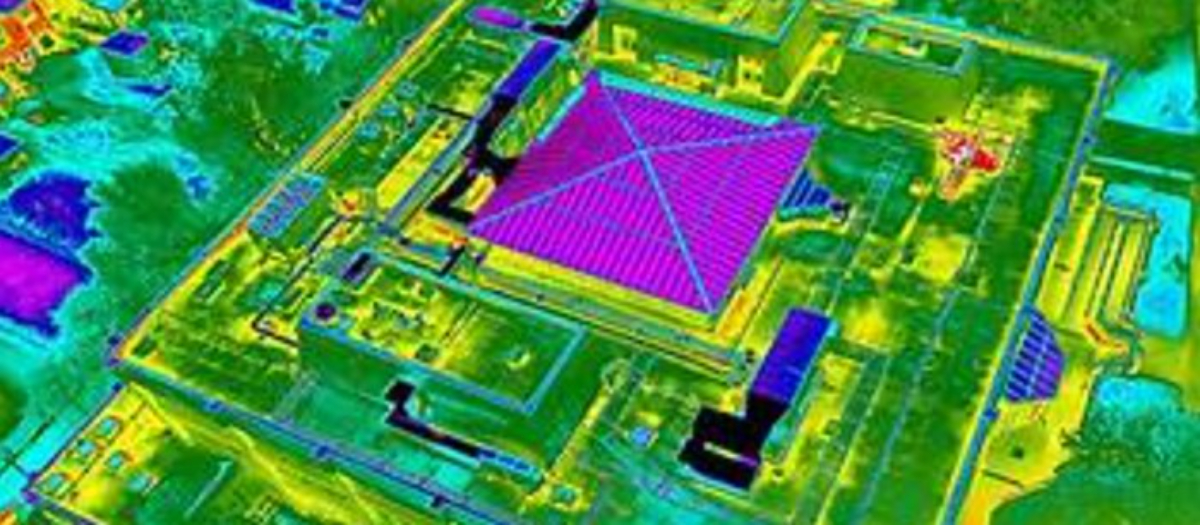
Roof leaks, damp marks, condensation, mould, peeling finishes and water near electrical equipment should all trigger a roof survey. A commercial roof inspection can examine drainage, roof membranes, roof covering details and the roof's surface for visible defects, but hidden defects may need a more detailed investigation. Thermal imaging, infrared cameras and electronic leak detection can help direct the surveyor to problem areas without disturbing the whole roof.
For flat roofs, a professional survey may include careful examination of seams, penetrations, outlets, internal drains, gutters and areas of standing water. Core sampling can establish the condition of insulation and the roof system beneath the surface where a visual inspection alone cannot answer the question. This work should be planned by qualified professionals because opening a roof without a clear method can create further damage.
Early investigation is usually more cost effective than waiting for leaks to affect the structure, insulation, stock or business operations. A condition report can explain what was found, the likely cause, the urgency of repairs and whether the issue needs a roofing contractor, roofing consultant or specialist surveyor.
Insurance, Warranties and Compliance
Insurance policies, warranty coverage, lease agreements and insurance and warranty requirements may all set out inspection requirements for commercial property. Property owners should read the relevant policy and warranty documents rather than assume that a general annual check will meet every condition. Regular roof inspections and comprehensive reports can demonstrate that the roof has been maintained and that obvious issues were not left unchecked.
Professional roof surveys are also useful when a claim is being prepared or when renewal discussions require evidence of the current roof condition. The report should state the scope, inspection methods, findings, photographs, limitations and recommendations. It is not a guarantee that no defect exists, but it provides a transparent record that can support insurance coverage and planned maintenance decisions.
UK building regulations and health and safety duties can also affect the work needed on a commercial roof. Building owners, facilities teams and contractors should ensure compliance with the Work at Height Regulations by planning access, assessing risk and selecting competent professionals. HSE guidance says roof work must be organised and planned safely; its 2025 construction statistics report that falls from height accounted for 53 percent of fatal injuries in construction over the five years to 2024/25.

Before Refurbishment, New Equipment or Expansion
Arrange a commercial roof survey before refurbishment, a new roof, expansion, solar installation, replacement of HVAC systems or other rooftop equipment. The survey helps determine whether the existing roof system, roof structure and roof components can support the proposed work. It can identify defects that should be addressed before a project starts, reducing delays, rework and costly repairs later.
A roof surveyor can assess the current roof, access routes, loading, drainage systems, insulation, roof age and signs of structural damage. This is particularly important on industrial buildings, warehouses and commercial buildings where heavy equipment, new penetrations or construction work may affect the property. A professional roof inspection gives project teams a baseline from which to plan materials, cost, programme and risk controls.
Roofing contractors can then price necessary repairs accurately and advise whether isolated remedial work, maintenance, replacement or a more detailed assessment is the best option. That makes the roof survey a practical first step before investment is committed.
How Drone Surveys Support Commercial Roof Inspections
Drone surveys can provide an efficient visual record of large, high or difficult-to-access roofs. A drone survey captures high resolution photographs and video of the roof's surface, chimneys, skylights, gutters, roof sheets and rooftop equipment without sending inspectors across every area at the first visit. This can reduce access challenges and help a surveyor decide where a closer inspection is needed.
Drone technology does not replace a traditional inspection where physical testing, core sampling, detailed measurements or close examination of a roof membrane is required. Instead, drone surveys can help identify defects, record visible changes and focus professional inspections on critical areas. The final report should make clear which findings came from visual evidence and which need further investigation.
Choosing the Right Type of Commercial Roof Inspection
The right commercial roof inspection depends on the roof type, property use, roof age, weather exposure, inspection costs, safety requirements and the reason for the survey. A routine visual inspection may be sufficient for a planned maintenance visit, while water ingress, warranty requirements or structural issues may call for a more comprehensive commercial roof survey.
Ask for a qualified surveyor with relevant certifications, suitable equipment and building surveying practices that match the property. A good professional roof survey will explain the process, what has been inspected, what remains outside the scope and how quickly the recommended repairs should be completed. This gives property managers and building owners the information they need to protect roofing assets and maintain a safe commercial property.
We provide drone roof survey and inspection services across Milton Keynes, Buckinghamshire, and the surrounding counties.
We’re fully qualified, efficient, trustworthy, and have the expertise to provide the exact services that our customer’s require.