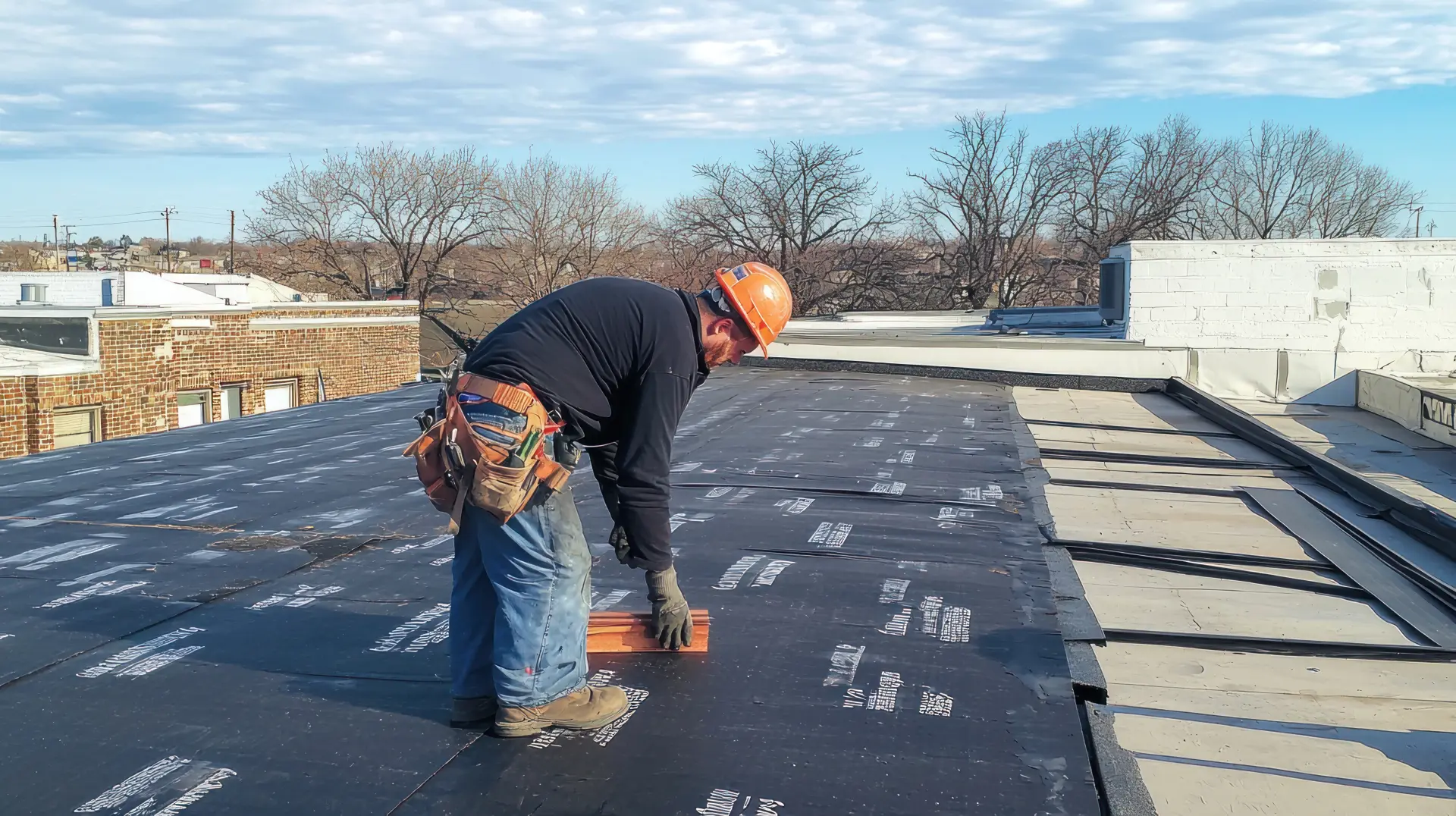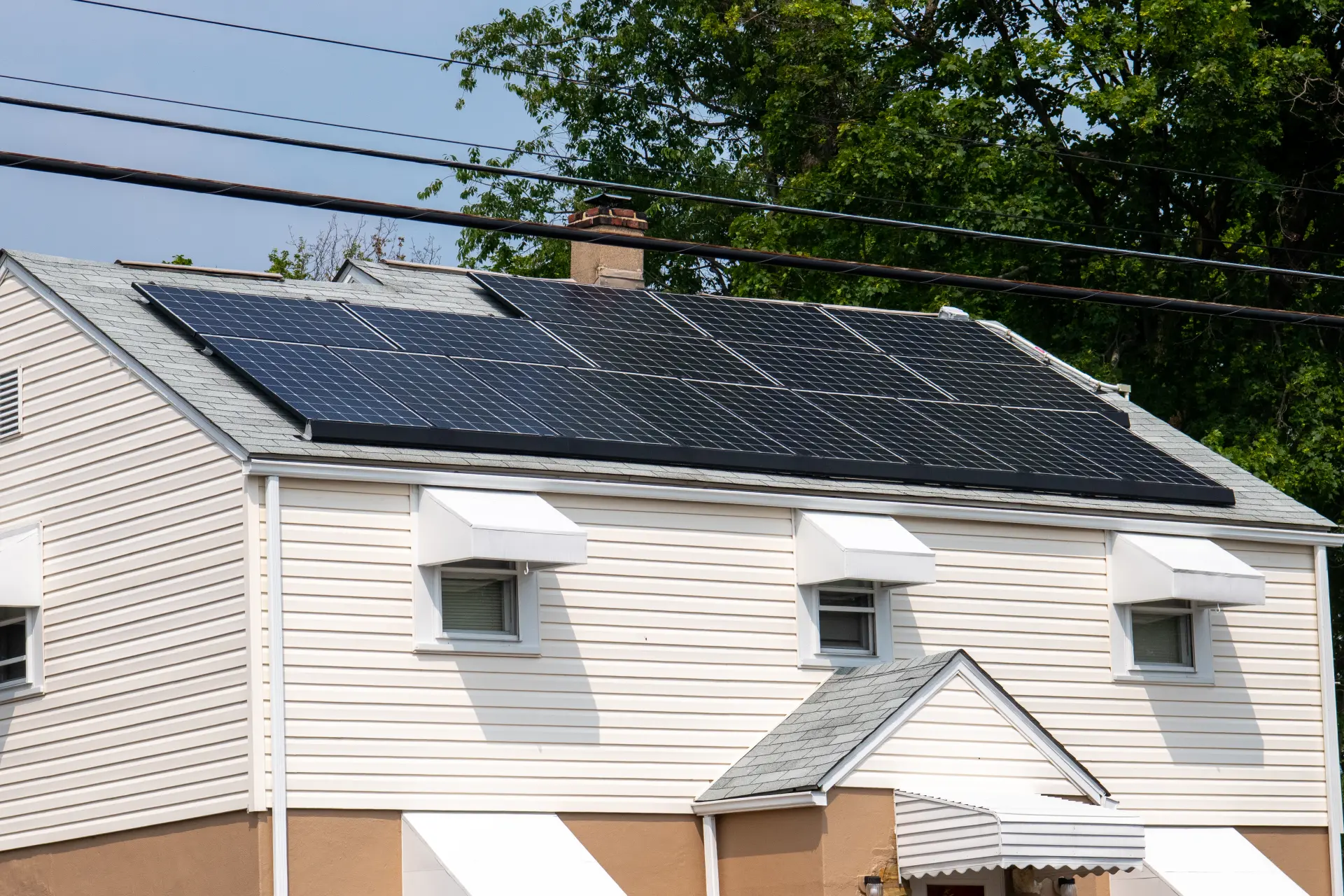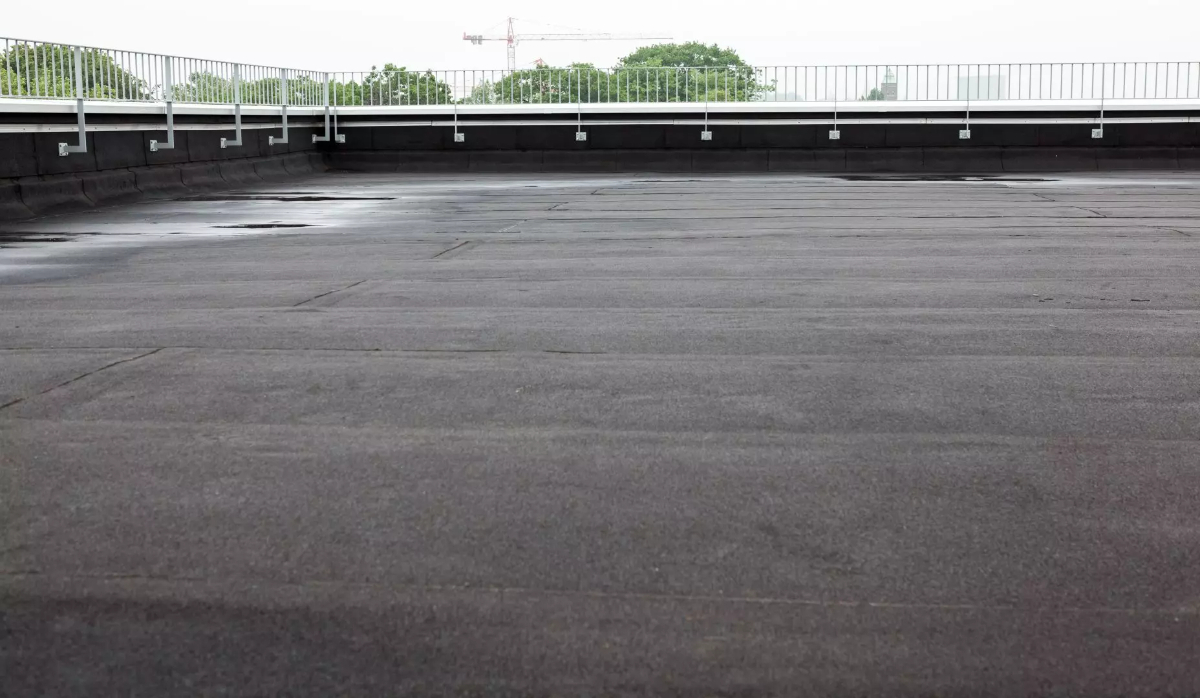
This article explains the importance of flat roof inspections and roof surveys, and how they help protect your building. A flat roof survey can identify potential issues early, reduce the risk of water ingress, and help you avoid costly repairs. It also provides clear details about the roof’s condition, so you can plan maintenance at the right time.
The Importance Of Flat Roof Surveys
Flat roofs need regular care because small problems can turn into bigger issues quickly. The importance of flat roof inspections and flat roof surveys is that they help you find early signs of damage, leaks, and wear and tear before water gets into the building.
A roof survey looks at the condition of the roof as a whole, not just one area. A surveyor or roofing team will assess the roof’s condition, check the materials, and look for problems linked to design, access points, and drainage. This helps property owners make sensible choices about repairs, maintenance, and future work.
Why Regular Inspections Matter For Flat Roofing
Flat roofing can look fine from a distance, but hidden problems often sit under the surface. Regular inspections help to identify potential weak areas and provide a clear plan to keep the roof in good condition.
Over time, changes in temperature and rain can cause splits and cracks in the surface. Even small cracks can let water travel, which may lead to leaks inside the property. Roof inspections also help you spot early signs around roof edges, gutters, and joins, where water tends to gather.

Annual Flat Roof Surveys
Having a roof inspection each year is an essential part of maintaining a property. Annual flat roof surveys give you a reliable way to track changes in the roof’s condition over time, so you can deal with issues early rather than waiting for damage to show inside the building.
During a flat roof inspection, the team will check the full roof covering and the areas that often fail first, such as outlets, seams, and rooflights. They will also look at gutters and drainage, because blocked gutters can lead to standing water, which increases wear and tear and shortens the roof’s lifespan.
Frequent inspections can also be helpful if you need to show proof of good maintenance for insurance claims. Insurers often want evidence of the condition of the roof and how it has been looked after.
Common Signs And Problem Areas To Look Out For
A flat roof survey focuses on signs that suggest the roof is no longer keeping water out as it should. Some signs are obvious, like damp patches and leaks, but others are easier to miss.
A surveyor will look for splits, cracks, blisters, loose edges, and damage caused by foot traffic or previous repairs. They will also check the surface for areas of pooling water, which can lead to faster breakdown of materials. Another key check is insulation, because poor insulation can affect comfort inside the building and may increase moisture problems over time.

What Is In My Survey Report?
After conducting a flat roof survey, an essential step is receiving a detailed report that outlines the findings and recommendations. A standard survey report will provide comprehensive information about the condition of the roof, detailing any issues observed and the expected lifespan of existing materials. You can expect the report to include written assessments backed by photographic evidence that clearly illustrates the problem areas identified during the survey.
The report will usually address any signs of damage or wear on the roofing membrane, ensuring you understand the current state of the roof’s waterproofing integrity. It may also highlight areas where repairs are required and recommend potential solutions or replacements if necessary. One critical aspect of the survey report is its recommendations for regular maintenance practices to prevent future issues, thereby extending the life of your flat roof.
Reasons You’ve Got A Leaking Flat Roof
Leaking flat roofs can lead to serious problems, including damage to ceilings, walls, and the building structure. Finding the cause quickly is important, because water ingress often spreads further than you can see.
Age And Wear Over Time
Age is a common cause of leaks. As the roof gets older, materials can lose strength and flexibility. This makes them more likely to crack, split, or pull away at joins. As wear and tear builds up, the condition of the roof can change quickly, especially after storms or long periods of rain.
A flat roof survey helps estimate the remaining lifespan of the roof and whether small repairs will be enough, or if a larger job may be needed soon.
Poor Installation Practices
If a flat roof was not fitted correctly, it may fail earlier than expected. Weak points can form at seams, corners, and drainage points. The roof design also matters, because a flat roof still needs a slight fall to guide water towards outlets. If water does not drain well, it can sit on the surface and increase the risk of leaks.
Neglect And Insufficient Maintenance
When maintenance is missed, small problems can become major issues. Blocked gutters and outlets can cause water to back up and enter the building. Debris can also trap moisture, which speeds up damage and leads to leaks.
Regular inspections are essential because they help you catch issues early and plan repairs before they turn into costly repairs.
Lead Flashing And Edge Details
Lead flashing is a common weak spot, especially where the flat roof meets a wall or another part of the building. If lead flashing is cracked, loose, or poorly fitted, rainwater can run behind it and cause water ingress.
A roof inspection should include close checks of lead flashing, edge trims, upstands, and joints. These details matter because they are often the first places where leaks begin. If the inspection finds problems in these areas, repairs can be done before the damage spreads inside the property.
Roof Surveys And Building Regulations
Roof surveys can also support compliance with building regulations, especially if you are planning repairs or replacement work. A clear roof survey report can show the condition of the roof, what work is needed, and why it is needed. This can be helpful when dealing with building control, property managers, or insurers.
If you are changing insulation or altering the roof covering, building regulations may apply. A surveyor can help by identifying what needs to be improved so the roof meets current standards, especially for insulation and water resistance.
When You Should Arrange A Flat Roof Inspection
It is best not to wait until you see leaks. Some property owners arrange flat roof inspections after severe weather, before buying a building, or when planning maintenance work. Roof surveys are also useful if you notice damp patches, mould smells, or changes to the roof surface.
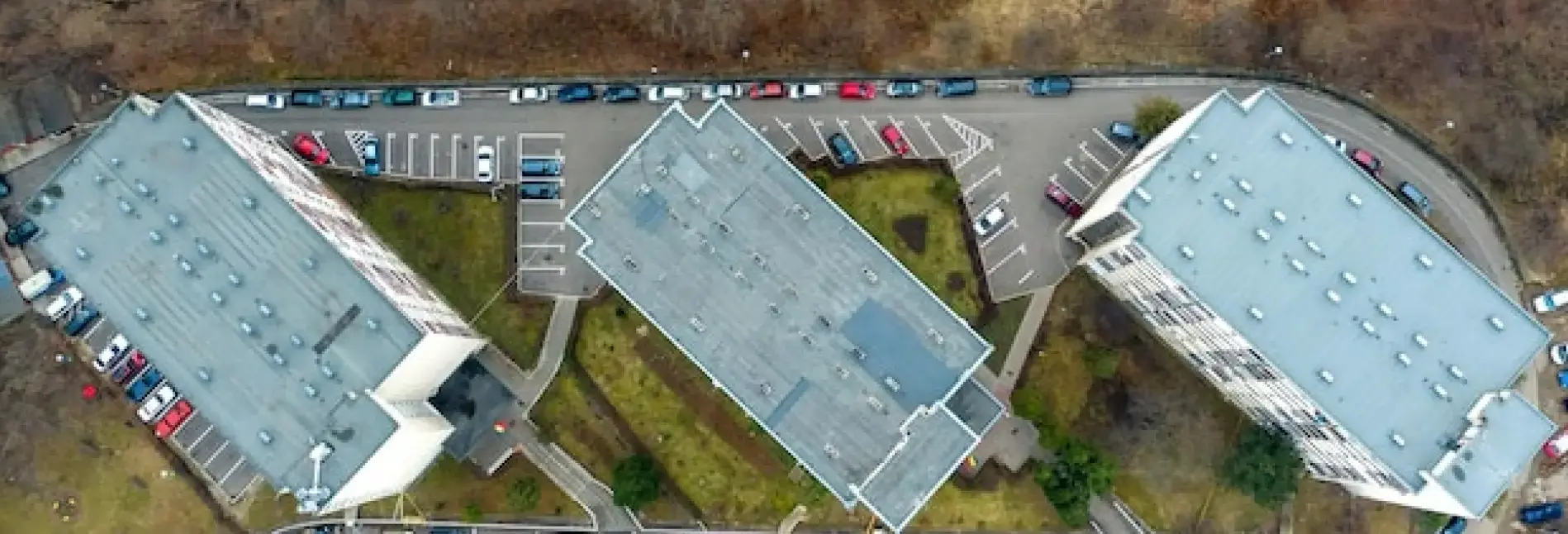
If you manage multiple buildings, planned roof inspections help you compare condition across sites and decide where work is most urgent.

How Much Does A Flat Roof Survey Cost?
The cost of a flat roof survey depends on the size of the roof, the type of roof covering, and how easy it is to get safe access. A larger roof usually takes more time to inspect, and complex designs may need closer checks around details like edges, outlets, and joins.
Some surveys may also include extra services, such as more detailed photos, moisture checks, or advice for long term maintenance planning. If you want a clear idea of cost, it helps to contact a roofing team and provide basic details about the building and roof access.
What Is In My Survey Report?
A flat roof survey report should be easy to understand and full of useful details. It will usually provide a clear summary of the roof’s condition, with photos showing key areas and any damage found. The report often explains why problems have happened and what actions are needed.
You can expect it to identify potential issues such as cracks, splits, worn membranes, blocked gutters, failing lead flashing, and areas at risk of water ingress. It should also explain what repairs are needed, which areas should be watched, and what maintenance is required to extend the roof’s lifespan.
Many reports also include a view on the expected lifespan of the current materials and whether repairs are likely to be short term fixes or part of a bigger plan.
How Flat Roof Surveys Help You Avoid Costly Repairs
Fixing a small problem early is usually far cheaper than dealing with widespread water damage. Flat roof surveys help you find issues early, plan repairs at the right time, and reduce the risk of surprise leaks.
They also help property owners keep records of roof inspections, which can support long term planning and may help with insurance claims if damage happens later. Regular inspections, good maintenance, and clear reports work together to ensure your roof stays protected for as long as possible.
Flat Roof Inspections: Next Steps
If you think your flat roof may have problems, or you want to check the condition of the roof before issues grow, arranging roof surveys can help. A proper roof inspection carried out by an experienced team can identify potential trouble spots, provide a clear report, and guide the right repairs to protect your building. If you would like to discuss surveys or inspections, you can contact a qualified surveyor or flat roofing team and share details about your property and roof type.
How Modern Survey Methods Add Detail
Flat roof surveys performed with drone inspections, thermal imaging and moisture testing can help identify potential issues early. A professional roofing surveyor can combine photographic evidence, thermal cameras and core sampling where appropriate to assess trapped moisture, insulation issues, water ingress and the roof's current condition. This is especially useful on flat roofs with complex perimeter details, parapet walls, drainage systems or difficult safe access.
A detailed report should explain the roof surface, roof covering, flat roofing membrane, lead flashing and likely remaining service life. Property owners and property managers can use the findings to plan roof repair, avoid costly repairs and support insurance claims or insurance coverage discussions. The National Federation guidance and relevant building regulations should be considered when major repairs or roof replacement are planned.
We provide drone flat roof surveys and inspections across Milton Keynes, Buckinghamshire, and the surrounding counties.
We’re fully qualified, efficient, trustworthy, and have the expertise to provide the exact services that our customer’s require.